For many churches, disability inclusion has come a long way.
People with disabilities are attending worship services. They’re serving on volunteer teams. They’re participating in Bible studies and small groups.
These are important steps.
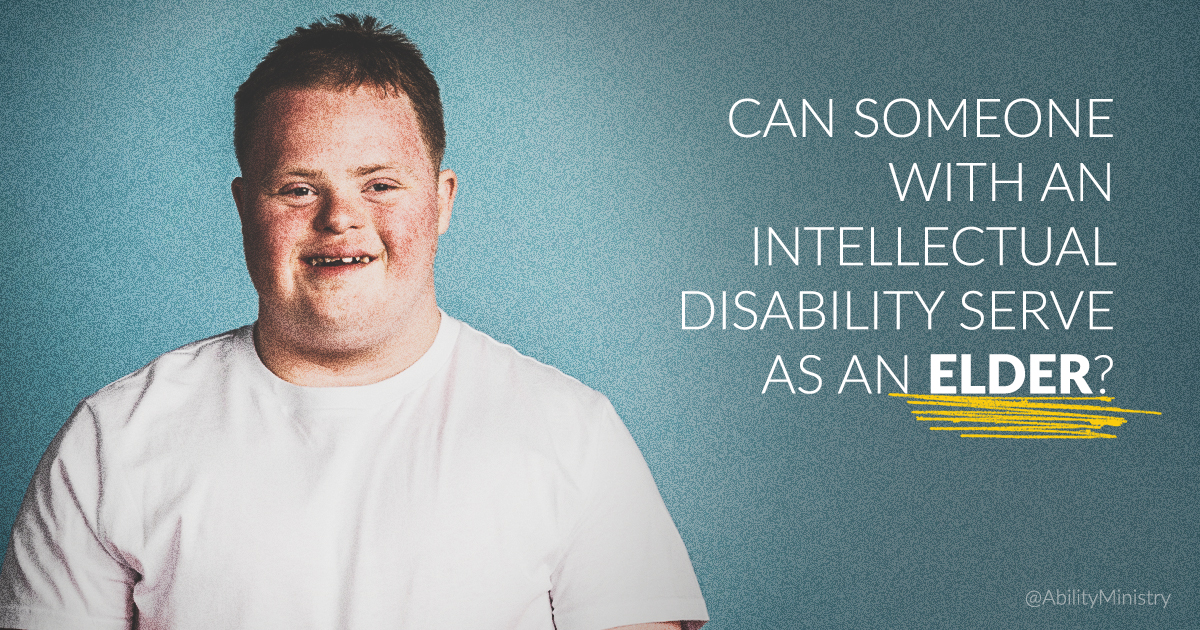
But there is a question that many churches have never seriously considered:
For some readers, that question may feel uncomfortable. Others may immediately answer “yes” or “no.” But before we rush to an answer, let’s consider a deeper question:
What qualifies someone for spiritual leadership?

When Scripture describes the qualifications for Elders and Deacons, the focus is overwhelmingly on character.
Faithfulness.
Integrity.
Humility.
Self-control.
A good reputation.
A life that reflects spiritual maturity.
What we don’t find is a requirement for a particular IQ score, reading level, educational background, or professional achievement.
Yet many churches unintentionally create leadership pathways that favor intellectual ability over spiritual maturity.
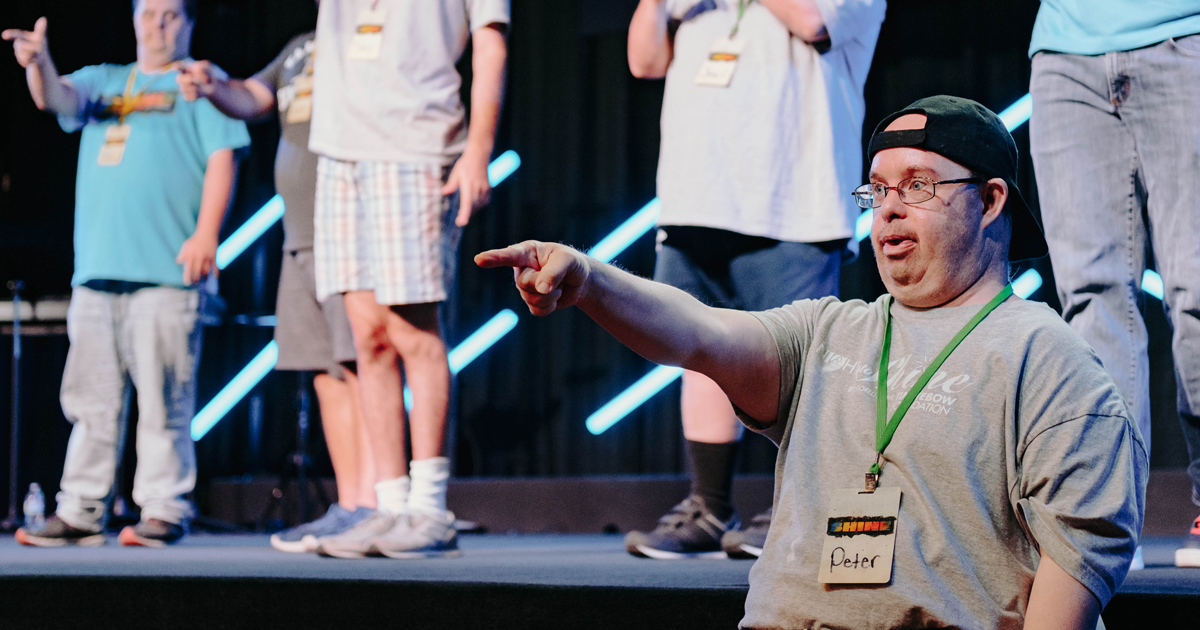
As a result, individuals with intellectual and developmental disabilities (IDD) are often excluded from leadership conversations before anyone has even considered their gifts, wisdom, or calling.
Full biblical qualifications of Elders and Deacons can be found at the end of this article.
Throughout Scripture, God repeatedly uses people others overlook.
Shepherds.
Fishermen.
Tax collectors.
People who were underestimated, dismissed, or considered unqualified by the culture around them.
The Kingdom of God has always had a way of redefining who gets a seat at the table.
That doesn’t mean every person should serve as an Elder. The same is true for people without disabilities.
But it does mean churches should carefully examine whether disability itself has become an unnecessary barrier to leadership.
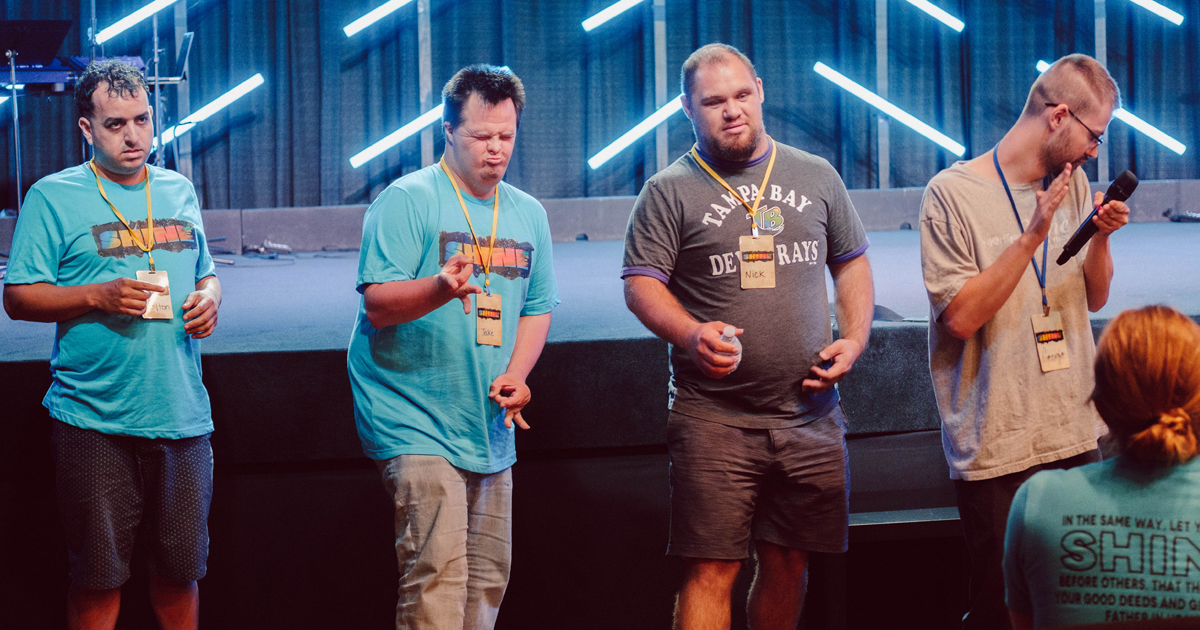
Rather than asking:
“Can someone with an intellectual disability be an Elder?”
Consider asking:
Those questions often lead to a much more productive conversation.
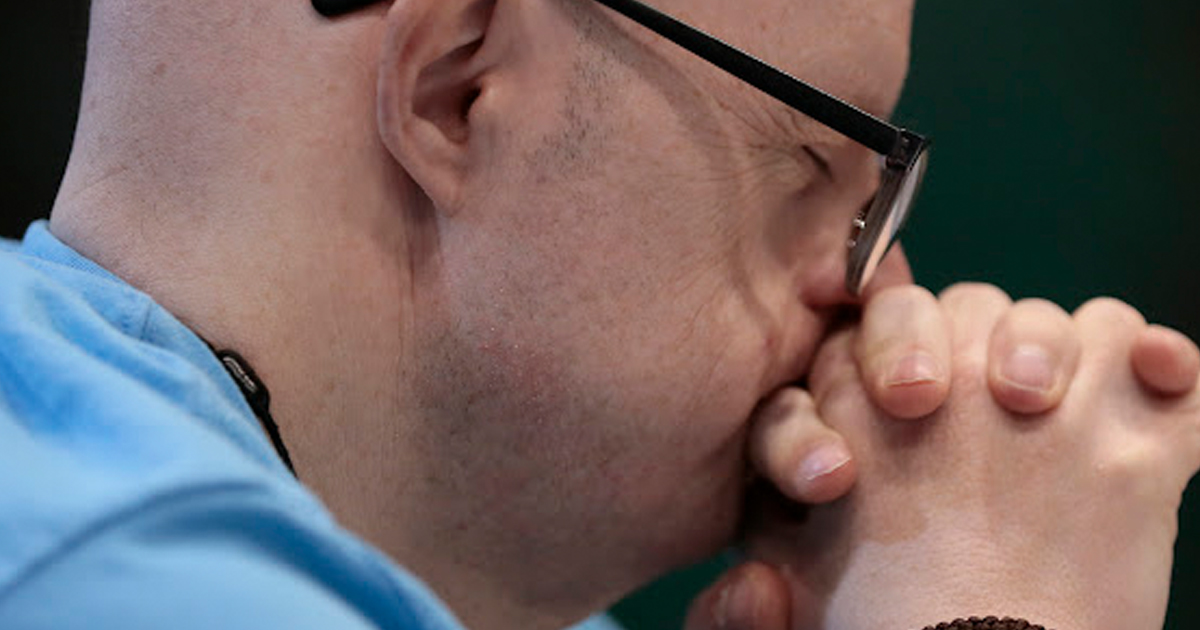
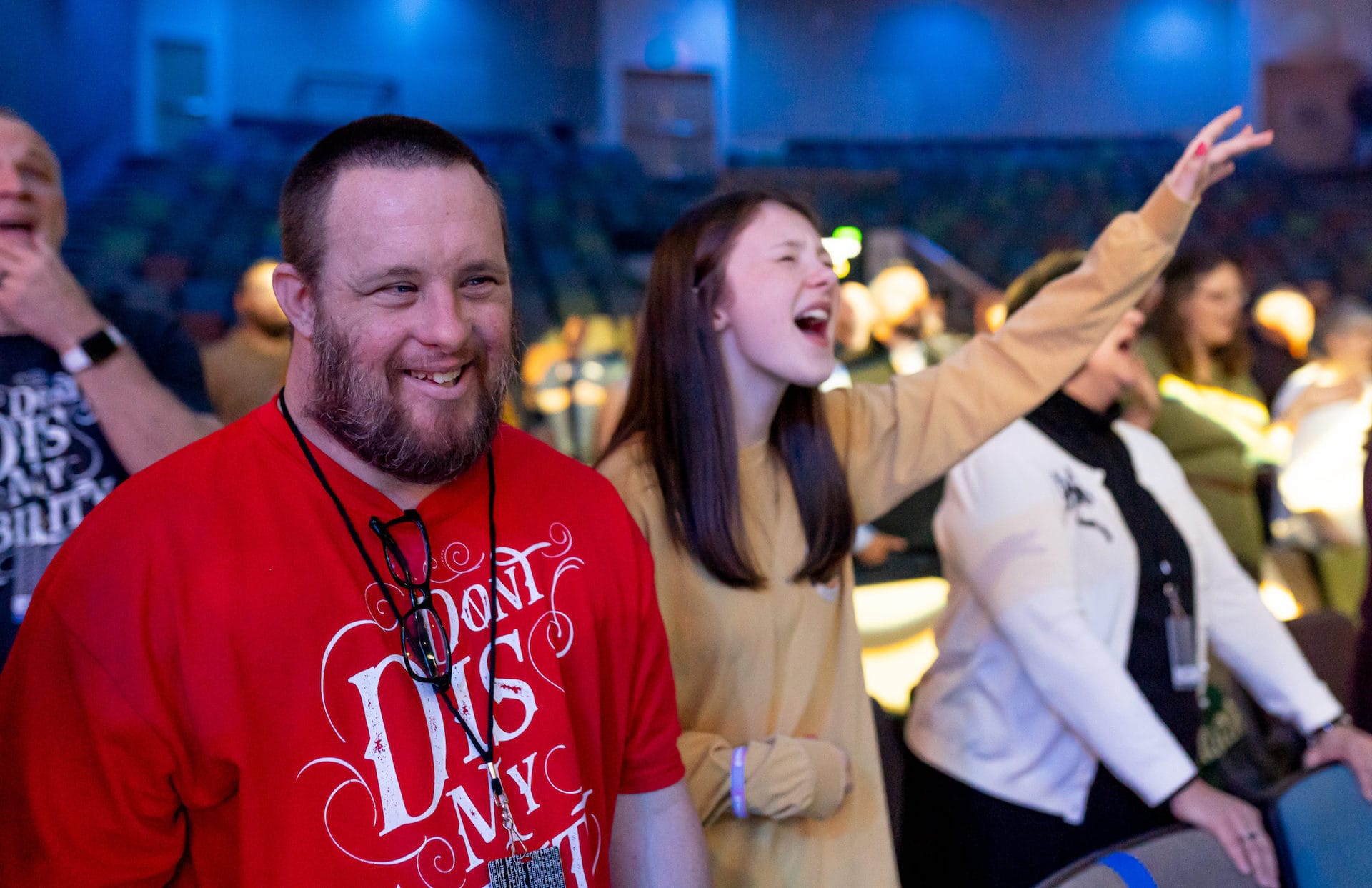
When people with disabilities serve in leadership, the entire church benefits.
Leaders with disabilities often notice barriers others miss.
They help churches think differently about belonging, accessibility, communication, and community.
Parents raising children with disabilities are constantly wondering:
“Will my child ever truly belong?”
When they see individuals with disabilities serving in leadership, they receive a powerful answer:
“Yes.”
The Gospel teaches that every believer has gifts to contribute to the body of Christ.
Leadership representation reminds us that value is not determined by productivity, intelligence, or worldly success.
It is rooted in being created in the image of God.
Diverse leadership teams make better decisions.
Different life experiences lead to richer discussions, broader perspectives, and more compassionate ministry.
Inclusion is not charity.
It strengthens the church.
Many churches have worked hard to help people with disabilities participate.
That’s worth celebrating.
But participation is not the finish line.
The next frontier is leadership.
Not because every person with a disability should become an Elder or Deacon.
But because every person should have the opportunity to use the gifts God has given them without artificial barriers standing in the way.
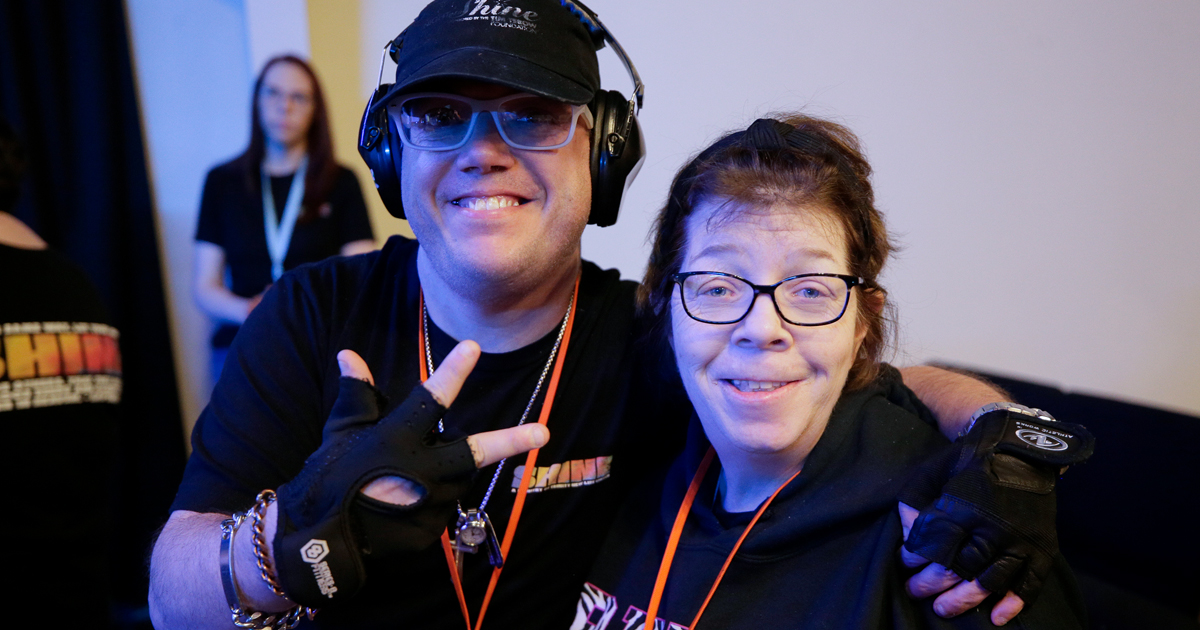
Here’s a challenge:
Does your church currently have a person with an intellectual or developmental disability serving as an Elder, Deacon, Trustee, Board Member, Ministry Team Leader, or in another significant leadership role?
If so, we’d love to hear from you.
Not because we want to put your church on a pedestal.
Because we want to celebrate what God is doing.
Too often, churches hear stories about what people with disabilities can’t do. We want to share stories about what they can do and are already doing.
We would love to recognize these leaders, encourage them, and help other churches see what’s possible.
If your church has someone with IDD serving in leadership, please contact Ability Ministry and tell us their story.
You might inspire another church to take the next step.
And if your church doesn’t currently have someone with a disability serving in leadership, perhaps the question isn’t, “Why don’t we?”
Perhaps the better question is:

“This is a trustworthy saying: “If someone aspires to be a church leader, he desires an honorable position.” 2 So a church leader must be a man whose life is above reproach. He must be faithful to his wife. He must exercise self-control, live wisely, and have a good reputation. He must enjoy having guests in his home, and he must be able to teach. 3 He must not be a heavy drinker or be violent. He must be gentle, not quarrelsome, and not love money. 4 He must manage his own family well, having children who respect and obey him. 5 For if a man cannot manage his own household, how can he take care of God’s church?
6 A church leader must not be a new believer, because he might become proud, and the devil would cause him to fall. 7 Also, people outside the church must speak well of him so that he will not be disgraced and fall into the devil’s trap.
6 An elder must live a blameless life. He must be faithful to his wife, and his children must be believers who don’t have a reputation for being wild or rebellious. 7 A church leader is a manager of God’s household, so he must live a blameless life. He must not be arrogant or quick-tempered; he must not be a heavy drinker, violent, or dishonest with money.
8 Rather, he must enjoy having guests in his home, and he must love what is good. He must live wisely and be just. He must live a devout and disciplined life. 9 He must have a strong belief in the trustworthy message he was taught; then he will be able to encourage others with wholesome teaching and show those who oppose it where they are wrong.
1 Timothy 3:8-13 (NLT)
8 In the same way, deacons must be well respected and have integrity. They must not be heavy drinkers or dishonest with money. 9 They must be committed to the mystery of the faith now revealed and must live with a clear conscience. 10 Before they are appointed as deacons, let them be closely examined. If they pass the test, then let them serve as deacons.
11 In the same way, their wives must be respected and must not slander others. They must exercise self-control and be faithful in everything they do.
12 A deacon must be faithful to his wife, and he must manage his children and household well. 13 Those who do well as deacons will be rewarded with respect from others and will have increased confidence in their faith in Christ Jesus.
Elders are called to lead, teach, and provide spiritual oversight of the church. Deacons are called to serve in practical ministries, often handling finances, mercy work, and addressing practical needs of the congregation. The deacon role originated in Acts 6 to allow apostles to focus on prayer and the Word while believers’ practical needs were cared for.
Both roles are essential to a healthy church, but they serve different functions within the body of Christ.