You know the feeling. One moment you’re walking through a perfectly ordinary space — an office, a shopping mall, a church foyer — and then something shifts. The ceiling feels too low. The lights hum at a frequency that burrows into your skull. Nothing connects the way it should. No one designed this place with you in mind. Welcome to the Backrooms. Or, as millions of disabled people know it: Tuesday. The question this raises for the Church is not merely architectural — it is theological: does the Body of Christ reflect the fullness of the body God made?
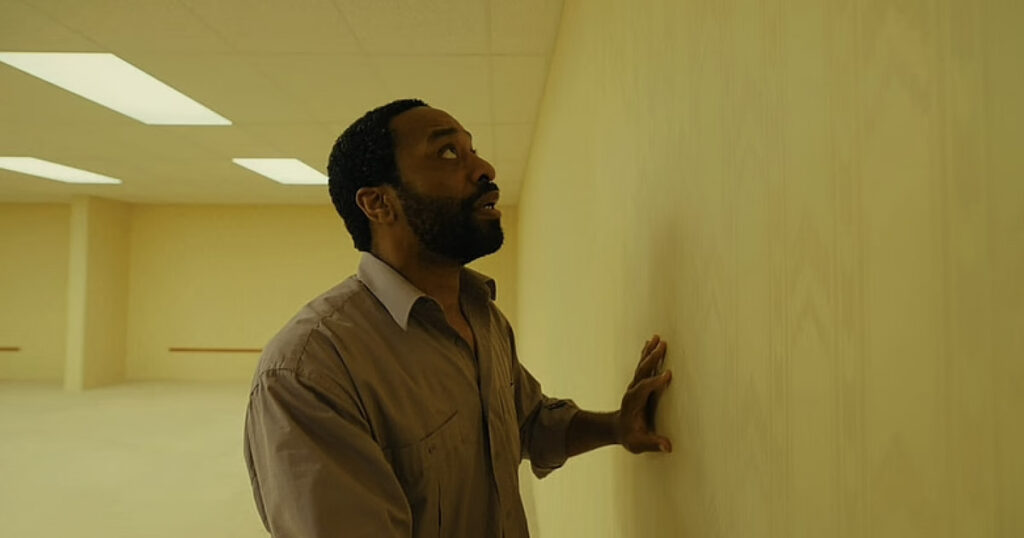
For the uninitiated: the Backrooms is an internet horror phenomenon — a creepypasta, a meme, an entire mythology — built on a single terrifying concept. You’re moving through the normal world when you accidentally “noclip” through reality. In video game terms, noclipping means slipping through the geometry of the game world, falling outside its boundaries into the raw, unrendered void behind the scenes. In the Backrooms universe, you fall out of the real world and into an endless, liminal maze of yellow-wallpapered rooms, buzzing fluorescent lights, and damp carpet that stretches on forever.
It’s frightening because it’s involuntary. You didn’t choose to go. You were just walking, and then — you weren’t in the world anymore.
“Disability often works the same way. An accident. A diagnosis. A body that changes overnight. A mind that was always wired differently. Nobody chose this level. And yet, Scripture reminds us that God forms each person intentionally: ‘For you created my inmost being; you knit me together in my mother’s womb’ (Psalm 139:13). Nobody chose this level — but nobody arrived here by accident, either.”
This is the parallel that sits at the heart of this entire conversation about disability awareness. The horror of the Backrooms isn’t the monsters. It’s the sudden, unchosen dislocation. It’s realizing the world you thought you knew was never quite built for you — and now you have to navigate something entirely different, without a map, without instructions, without anyone who’s been where you are.
For people with disabilities — whether physical, cognitive, sensory, or invisible — entering spaces that weren’t designed with accessibility in mind feels exactly like stepping through the geometry of reality into something hostile and disorienting. The world keeps moving forward. You’re still here, navigating corridors that don’t connect.
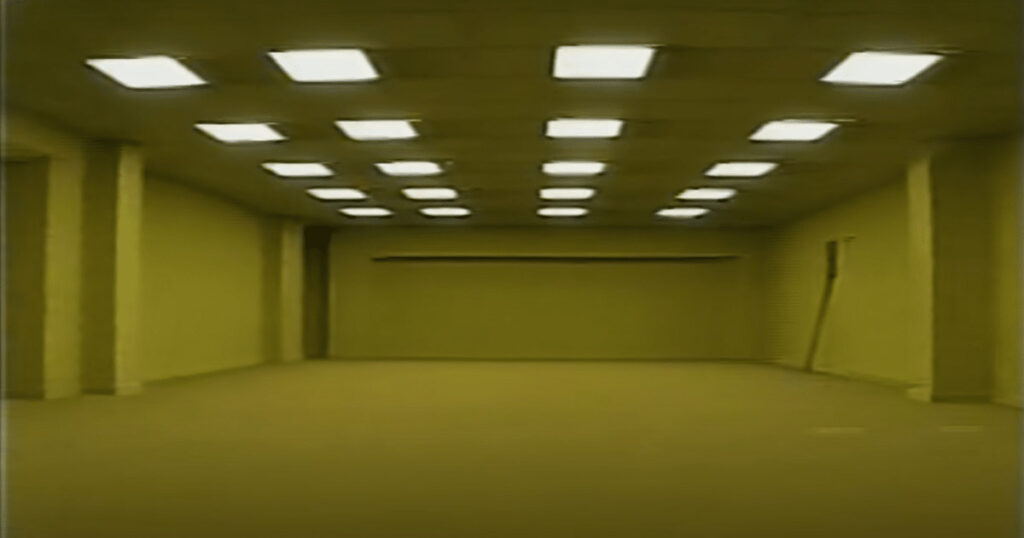
One of the most chilling features of the Backrooms — more frightening than any entity lurking in its corridors — is the architecture itself. The ceilings are too low. The corridors don’t connect logically. There are no labels, no signs, no accommodations. The space doesn’t acknowledge that you exist, let alone that you might have needs. It was built, if it was built at all, without you in mind.
Sound familiar?
When we design workplaces, schools, churches, and public spaces without the input of disabled people, we aren’t building neutral environments. We’re building Level 188 — the Backrooms level defined by hostile architecture, impossible geometry, and the total absence of accommodation. A building with a broken elevator and no ramp isn’t a neutral inconvenience. It’s a maze. A worship space without a hearing loop, accessible seating, or a sensory-friendly option isn’t a welcoming sanctuary. It’s a trap. Jesus said, “Let the little children come to me, and do not hinder them” (Matthew 19:14) — the same welcome extends to every person the Church unintentionally bars at the door through inaccessible design.
The most powerful question isn’t “did we mean to exclude anyone?” Intent is irrelevant in architecture. The question is: who was in the room when the decisions were made? If disabled people weren’t consulted, the result is Level 188 by default — a space that functions for some and disorients everyone else.
Accessibility isn’t a feature you add later, like a coat of paint. It’s the exit out of the maze. It’s the difference between a space that says “you belong here” and one that says — through every locked stairwell and unmarked doorway — “we forgot you existed.” For the Church, this is a discipleship issue. We cannot fully minister to a community we have not fully included. The Great Commission doesn’t come with an asterisk.
Don’t build Level 188.
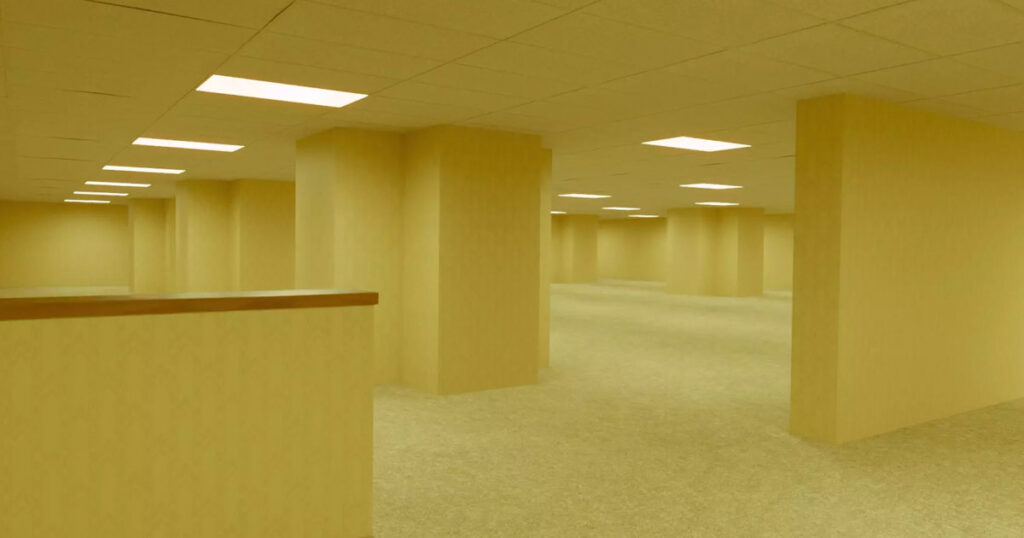
Ask anyone who’s spent time in the Backrooms lore what they remember most, and it’s never the entities. It’s the lights. That low, relentless, maddening buzz of fluorescent tubes stretching to a vanishing point — the sound you can’t locate, can’t turn off, can’t escape. It’s ambient. It’s inescapable. It’s the sound of a space that doesn’t care about your comfort.
For many people with sensory processing sensitivities, autism, ADHD, anxiety disorders, or chronic illness, that buzzing light isn’t a fictional horror. It’s an office building. It’s a supermarket. It’s a school cafeteria. It’s Tuesday at 2pm in the break room.
“What looks like an ordinary office or classroom to you can feel like a sensory trap to someone else.”
Neurodivergent people and those with sensory processing differences often describe everyday environments as physically overwhelming in ways that neurotypical people simply don’t register. The hum of lights that nobody else seems to hear. The texture of a fabric that makes focus impossible. The temperature of a room that feels like an assault. The unpredictable noise of an open-plan office that obliterates concentration. These aren’t complaints or exaggerations. They are the daily Backrooms of sensory experience.
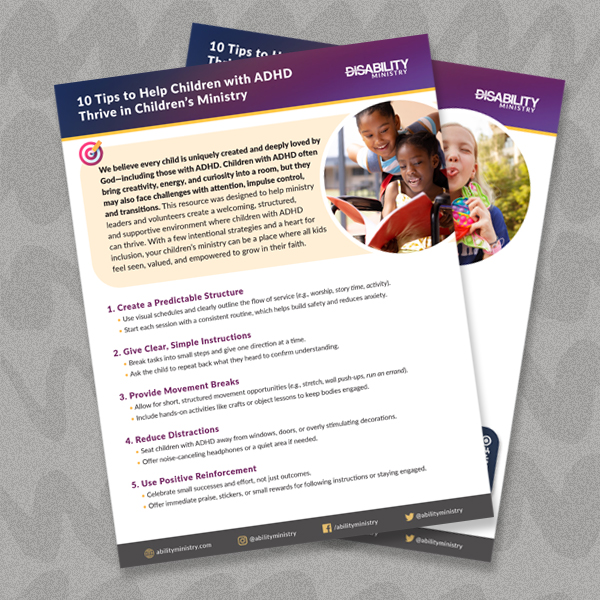
Understanding this is an act of respect. Designing for it — quiet spaces, adjustable lighting, flexible worship environments, sensory-friendly services — is an act of inclusion and faithful stewardship of the community God has entrusted to us. Dismissing it is choosing to leave people in Level 0 indefinitely. A church with a sensory room is not accommodating an inconvenience; it is extending the welcome of Christ.
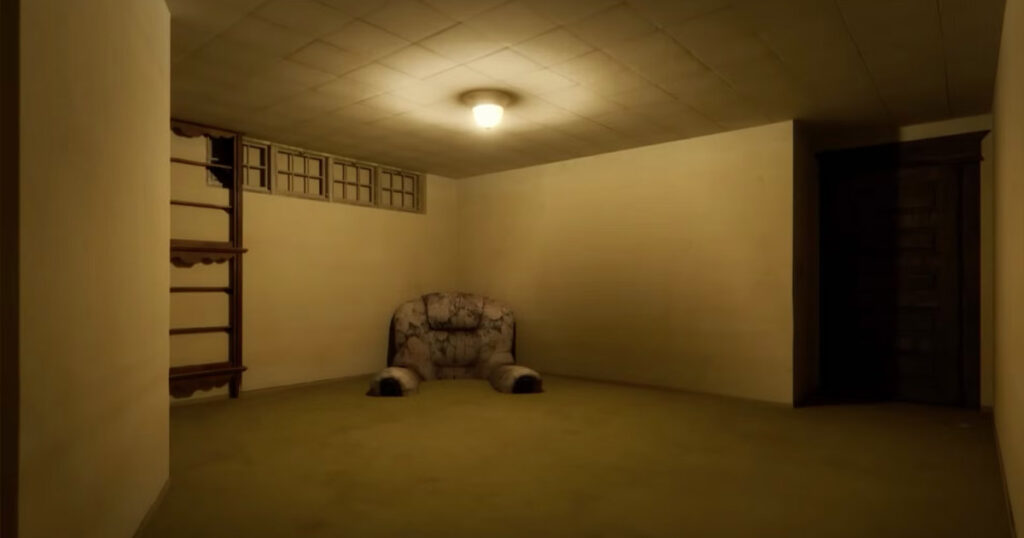
The worst part of any liminal space — any empty, echoing corridor in the middle of nowhere — isn’t the emptiness. It’s the creeping certainty that something is watching. The Watchers in Backrooms lore are entities that follow, observe, judge. They treat you as a curiosity, a specimen, something that doesn’t quite belong in the space they patrol.
This is the lived reality of dynamic disability in public. Of using a mobility aid some days and not others and being met with skepticism. Of stimming in a grocery store and feeling the weight of stares. Of being visibly different in a space that wasn’t built for your kind of different, and watching the people around you process that — sometimes with curiosity, sometimes with pity, sometimes with the particular cruelty of unsolicited advice.
People with disabilities are not spectacles. We are not entities to be studied, whispered about, or photographed. We are not inspiration fodder for people having a bad day. We are image-bearers of God — imago Dei — existing in the same public space as everyone else, navigating the same maze, just with fewer accommodations and more observers. The Church, of all communities, should be the place where that watching gaze turns into a welcoming embrace.
“Stop staring, start accepting — and for the Church, go further: start belonging together.”
The shift from watching to accepting is not complicated. It requires only the recognition that someone’s difference is not a performance for your consideration. They are just moving through the world. Let them.
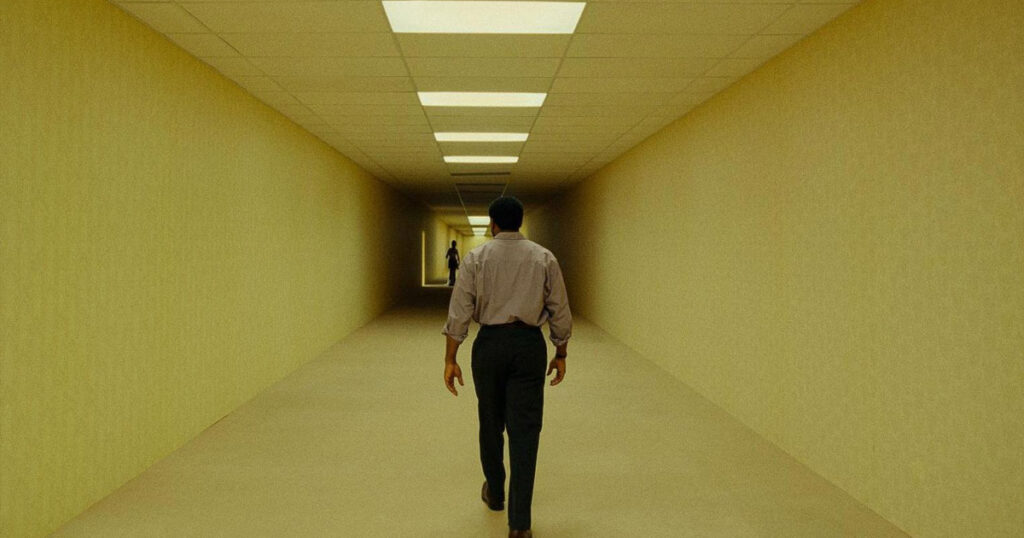
There is a particular horror in the Backrooms that surfaces slowly, long after the initial panic of arrival. It’s not the maze. It’s the realization — settling in like cold water — that no one is coming for you. No rescue party. No cavalry. The world above kept moving. You fell through the floor, and no one even noticed you were gone. For Christians, this should be a gut-check moment. The Good Shepherd leaves the ninety-nine to find the one (Luke 15:4). Are we?
This is disability isolation, and it is extraordinarily common. Friends stop texting. Not out of malice — usually — but because the rhythms of your life no longer align with theirs. Because you cancelled too many times. Because your condition is invisible and they don’t know it’s still happening. Because the culture doesn’t build in the infrastructure to maintain connection across the barrier of illness or disability. Family says “you look fine,” which is its own kind of abandonment. Society forgets you exist the moment you’re out of sight — out of the workforce, out of social spaces, out of the visual field of people who’ve never had to think about access.
Disability isolation is a documented, serious consequence of both the medical reality of disability and the social failure to accommodate it. It worsens mental health outcomes. It increases pain perception. It shortens lives.
If you know someone who’s been navigating the Backrooms of chronic illness, disability, neurodivergence, or mental health — reach out. Don’t wait for them to signal. They are probably tired of signaling. Just show up. Text. Ask a question. Stay.
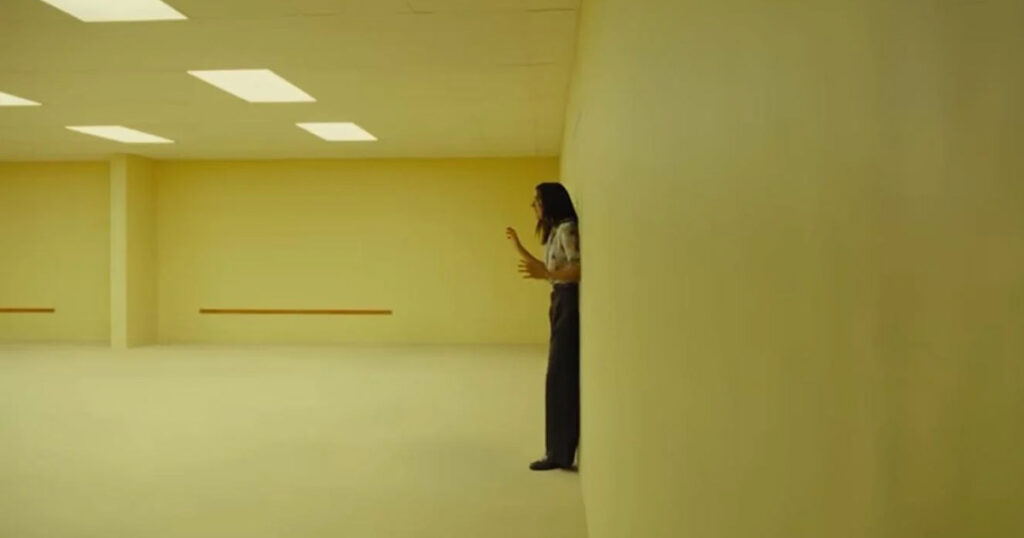
Here’s a thing that happens in the Backrooms that makes no narrative sense but perfect human sense: when two wanderers find each other, the wrong question to ask is “how did you get here?” It doesn’t matter. That’s not actionable. That doesn’t get either of you out.
And yet, that’s the question disabled people are asked constantly. What happened to you? How long have you had it? Did you do something? Is it genetic? Did they try surgery? Did you try yoga? Have you heard about this diet? What caused it?
The question “how did you get in?” is almost never asked out of pure curiosity. It carries an implication: that there might have been a way to avoid this level. That disability is a consequence of something, rather than simply a variation of human experience. It places the burden of explanation — and implicitly, of justification — on the person already carrying the heaviest load in the room. When Jesus’ disciples asked, “Who sinned, this man or his parents, that he was born blind?” Jesus redirected the question entirely: “Neither… but this happened so that the works of God might be displayed in him” (John 9:2–3). The question was never about origin. It was always about purpose and presence.
“The question was never ‘how did you get in?’ It’s ‘how do we walk with you now?’ Jesus didn’t ask the man at the pool of Bethesda for his medical history. He asked: ‘Do you want to get well?’ (John 5:6).”
Stop asking disabled people to narrate their origin stories. Start asking what would make the space they’re in more navigable. Start asking what they need, what works, what you can build. That’s the only question that leads anywhere.
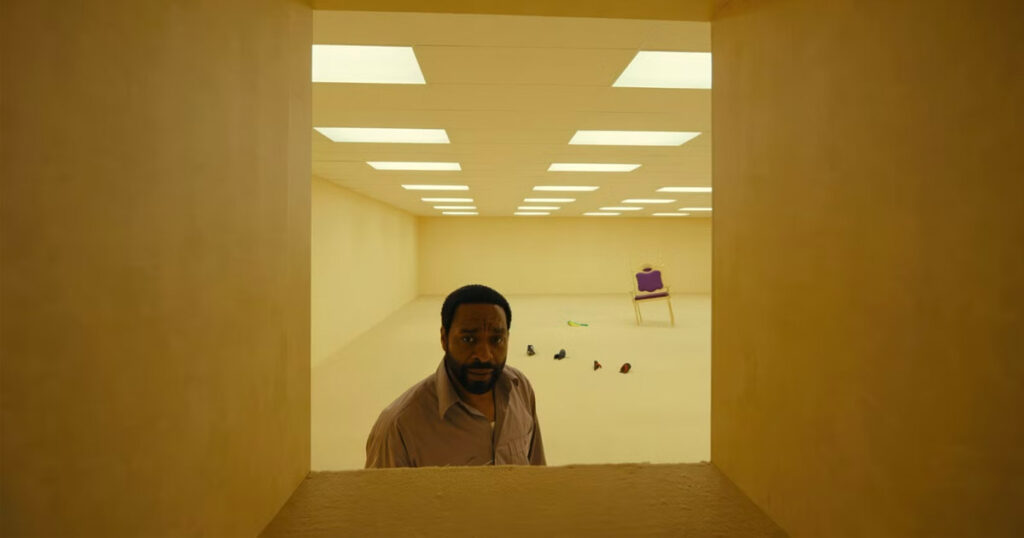
There is a different version of the Backrooms story — the one where two wanderers meet in a corridor and, without asking how the other ended up there, simply share what they have. A flashlight. A map that only covers three rooms. Knowledge of an entity’s pattern. Company in the buzzing dark. And they keep moving together.
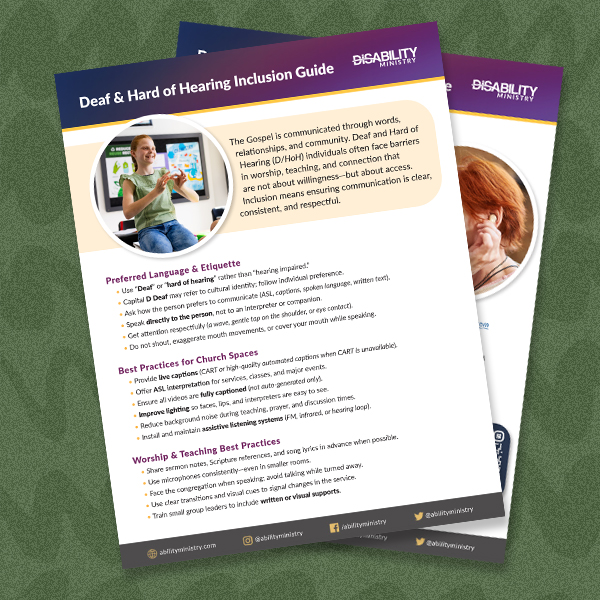
This is disabled community. This is what happens when people who have been individually exiled from the map of mainstream accommodation find each other in the void and say: I believe you. Your pain is real. Your struggle is real. The entities chasing you are real. You are not exaggerating. The Church at its best does exactly this — it is a place where the lame walk in and are not asked to stand straighter, where the deaf are welcomed and the sermon is captioned, where the anxious and the grieving and the chronically ill are not hurried toward healing but accompanied through it.
Disabled community is not a consolation prize for failing to access the “normal” world. It is its own profound and irreplaceable thing. It is the only place, for many people, where their full reality is accepted without qualification. Where you don’t have to perform wellness or explain your limitations or justify your accommodations. Where the buzzing lights are acknowledged, not dismissed.
We survive better when we’re not alone. That is not sentiment. That is documented, physiological fact. Connection is medicine. Community is infrastructure. And for Christians, it is even more than that — it is the very shape of the Body of Christ: “The eye cannot say to the hand, ‘I don’t need you’… those parts of the body that seem to be weaker are indispensable” (1 Corinthians 12:21–22).
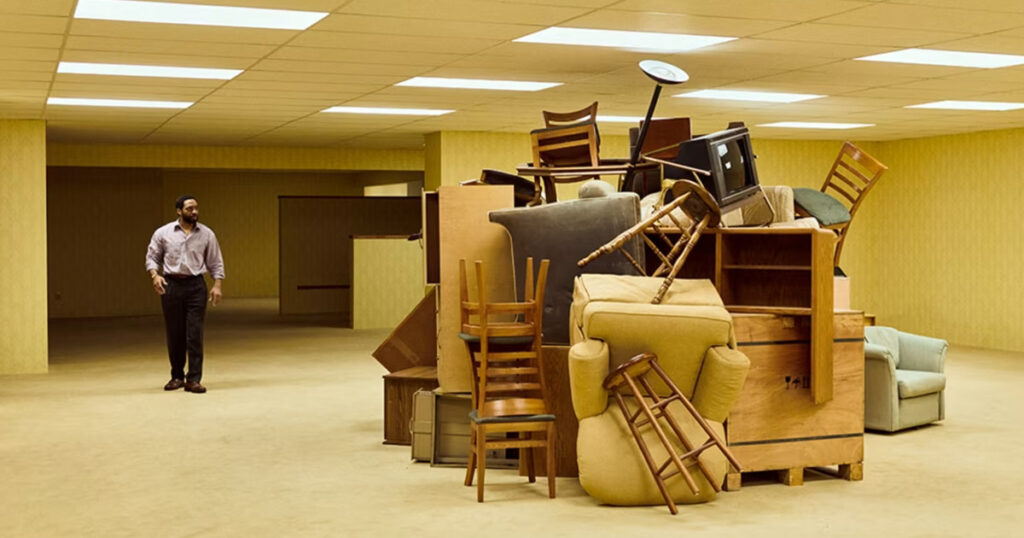
Here is the most radical reframe in this entire conversation — and the most important one. The standard framing of disability puts the disabled person as the one who fell through. Who ended up somewhere they don’t belong. Who needs to find their way back to the normal world.
But what if we’ve had the geometry wrong this whole time?
What if society was the one that no-clipped — that slipped through the geometry of human diversity and ended up somewhere narrow, somewhere inaccessible, somewhere that only works for a specific range of bodies and minds? And what if, in doing so, it left an enormous number of people behind in a space that was actually quite livable — just underserved?
Disabled people aren’t the aberration. The inaccessible world is. The people living in the yellow void — navigating, adapting, building community, creating culture — aren’t monsters or cautionary tales. They’re image-bearers of God who built entire worlds in the space everyone else abandoned them in. That is not a tragedy. That is extraordinary. And the Church — which worships a Savior who bore wounds into the resurrection — should be the first to say so.
Who’s ready to break the simulation? The Church has the theology to do it — now we need the architecture, the culture, and the will.
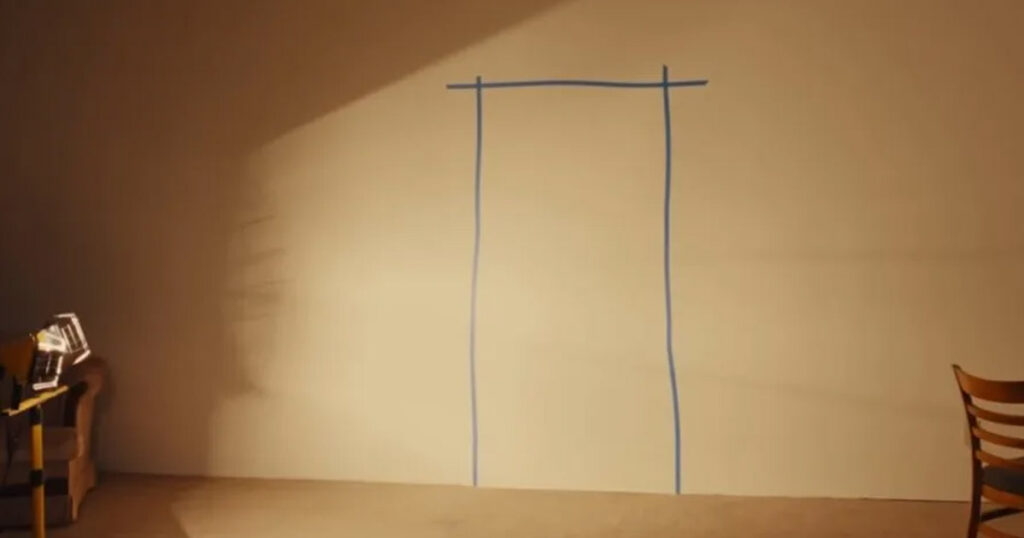
Here is what the Backrooms mythology gets right about human nature: even in an endless, hostile, impossible space, people find beauty. They notice the pattern in the wallpaper. They make jokes about the entities. They draw maps. They leave notes for the next person. They build, improbably, something like home.
Disabled joy is not a contradiction. It is not “inspiring” in the condescending sense — it is not remarkable that disabled people experience happiness, creativity, humor, and love. It is simply human. But it is also deeply biblical. The Psalms are full of lament and praise existing side by side. Paul writes from prison with joy. The resurrection itself is the ultimate testimony that limitation, suffering, and death do not have the final word. Disabled joy refuses the narrative that disability is only ever tragedy, only ever limitation, only ever the absence of something — and in doing so, it preaches a kind of gospel.
“Disabled joy is revolutionary. We’re not just surviving the Backrooms — we’re decorating them. And the Church is called to decorate alongside us.”
The work of disability ministry isn’t just about accommodation and policy, though those things are urgently necessary. It’s also about expanding what we imagine when we imagine the full Body of Christ. It’s about centering disabled voices in our congregations, welcoming disabled leaders to preach and teach and serve, and understanding that the people navigating this maze are not waiting to be rescued. They are already living rich, complex, irreducible lives — in the yellow void, under the buzzing lights, making community and meaning and worship.
The exit from the Backrooms isn’t a return to a world that was always going to leave some people behind. The exit is building something better — something accessible by design, something that was built with everyone in the room. For the Church, that exit has a name: it is the Kingdom of God, where every person is known, every voice is heard, and the table has room for all. We don’t build that Kingdom by waiting. We build it by showing up — ramps and sensory rooms and open doors and all.
No-clip here. If you dare.
The Backrooms concept is used metaphorically for awareness purposes. All images copyright Backrooms movie and used for editorial purposes onliy.