
Every Christmas season, we return to the same stories. We call them nostalgic. Comforting. Safe.
But if we’re paying attention, they’re anything but.
Again and again, Christmas stories center on the outsider—the one pushed to the margins, misunderstood, or dismissed as the problem. And not as a side character. As the turning point.
That’s not accidental. It’s a truth we keep retelling because we keep forgetting it.
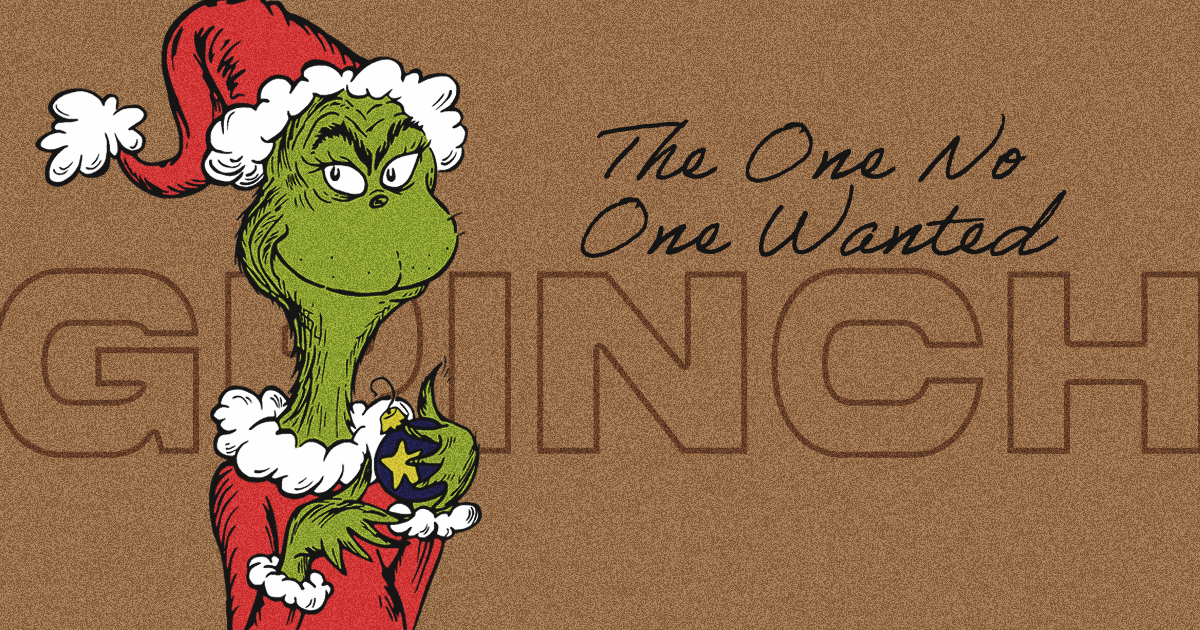
The Grinch lived outside the community—literally and relationally. He was isolated, misunderstood, and labeled as dangerous or broken. Whoville didn’t ask why he was the way he was. They just learned to avoid him.
And yet, when Christmas joy disappeared, when everything they valued was stripped away, the story didn’t resolve through cheer or tradition.
It was resolved through the Grinch.
The outsider carried the weight of restoration. The one no one made room for became the one who made everything right.
That’s not just a plot twist. It’s a warning: communities often misunderstand the very people they most need.
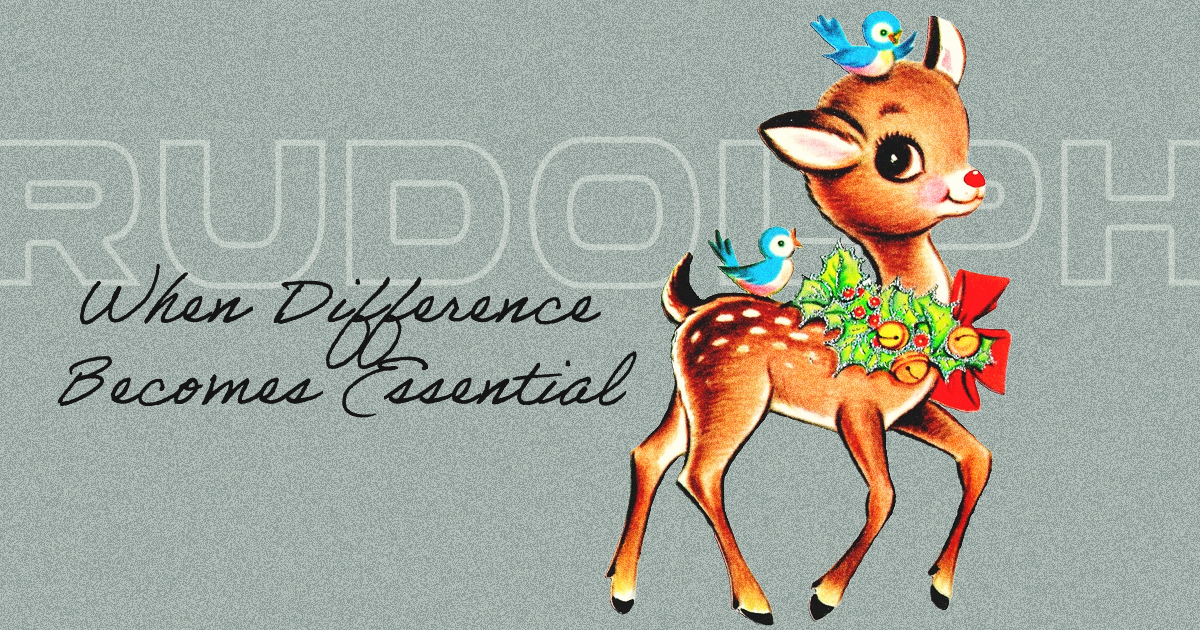
Rudolph’s story is even more explicit. His difference is visible. It’s named. It’s mocked.
He isn’t excluded because of bad behavior—he’s excluded because of how he’s made. His nose doesn’t fit expectations. It disrupts uniformity. So he’s sidelined.
Until conditions change.
When the fog rolls in, the thing everyone tried to hide, fix, or ignore becomes indispensable. The story doesn’t end with Rudolph becoming “normal.” It ends with the community realizing they were wrong about what mattered.
Disability didn’t disqualify Rudolph from belonging.
Exclusion did.
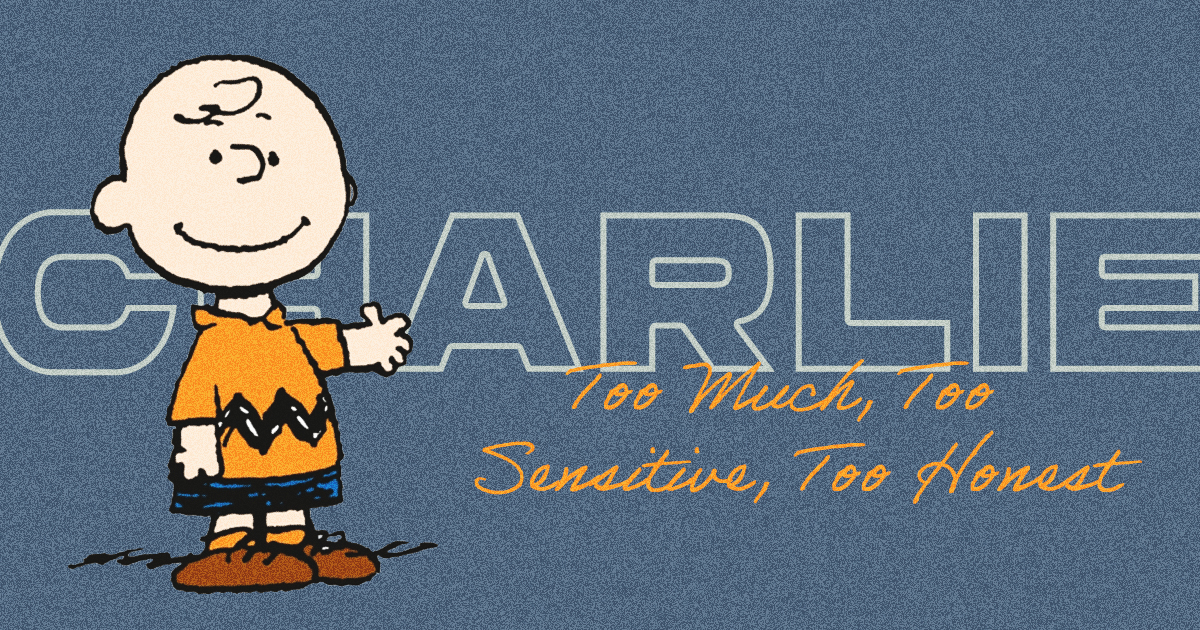
Charlie Brown isn’t loud or disruptive. He’s overwhelmed. Sensitive. Honest to a fault. In today’s language, we might say he struggles with anxiety or sensory overload.
He’s not celebrated for this. He’s tolerated—at best.
But when Christmas becomes hollow and performative, when the noise drowns out meaning, Charlie Brown is the only one who can name what’s wrong. He reminds everyone what Christmas is actually about.
The character everyone pitied became the voice everyone needed.
These stories are telling us something deeper than “be nice to misfits.”
They are echoing a biblical truth we often spiritualize but rarely practice.
In 1 Corinthians 12, Paul describes the church as a body—many parts, one whole. And then he says something that should unsettle us:
“On the contrary, those parts of the body that seem to be weaker are indispensable.” (1 Corinthians 12:22)
Not tolerated.
Not optional.
Not charity cases.
Indispensable.
Too often, disability is framed as a problem to solve, a ministry to add, or a kindness to offer if resources allow. Accessibility becomes a bonus feature. Inclusion becomes conditional.
But Scripture—and even our Christmas stories—say something radically different.
People with disabilities are not at the edges of the story.
They are often carrying its meaning.
They reveal what a community values.
They expose where systems fail.
They slow us down enough to rediscover what actually matters.
When churches exclude disabled people—whether through physical barriers, communication barriers, or cultural assumptions—they aren’t just being unkind.
They are cutting themselves off from something essential.
If the Grinch, Rudolph, and Charlie Brown teach us anything, it’s this:
The outsider is not a disruption to the story.
The outsider is the story.
So here’s the uncomfortable Christmas question:
If the parts of the body that seem weaker are indispensable, why are disabled people still treated as optional?
Why are they invited but not centered?
Welcomed but not listened to?
Present but not empowered?
The answer isn’t more inspirational stories or seasonal compassion.
It’s repentance.
It’s humility.
It’s making room.
Because Christmas doesn’t celebrate strength, polish, or perfection.
It celebrates vulnerability.
Dependence.
Presence.
And it always has.
The outsider was never an afterthought.
They were always the point.