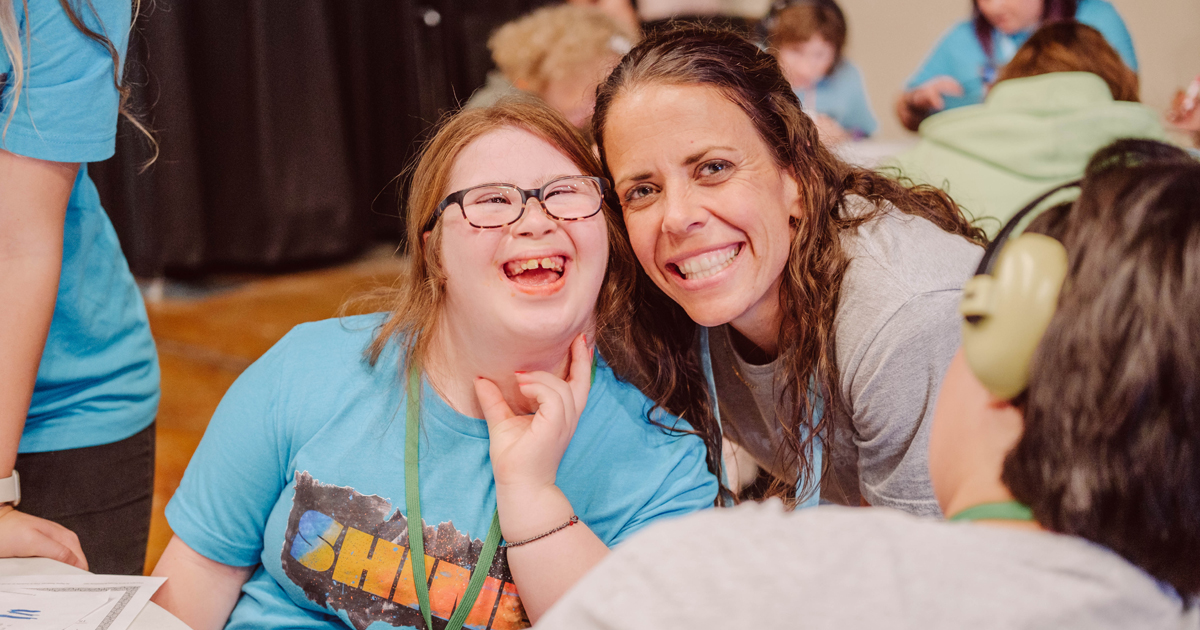
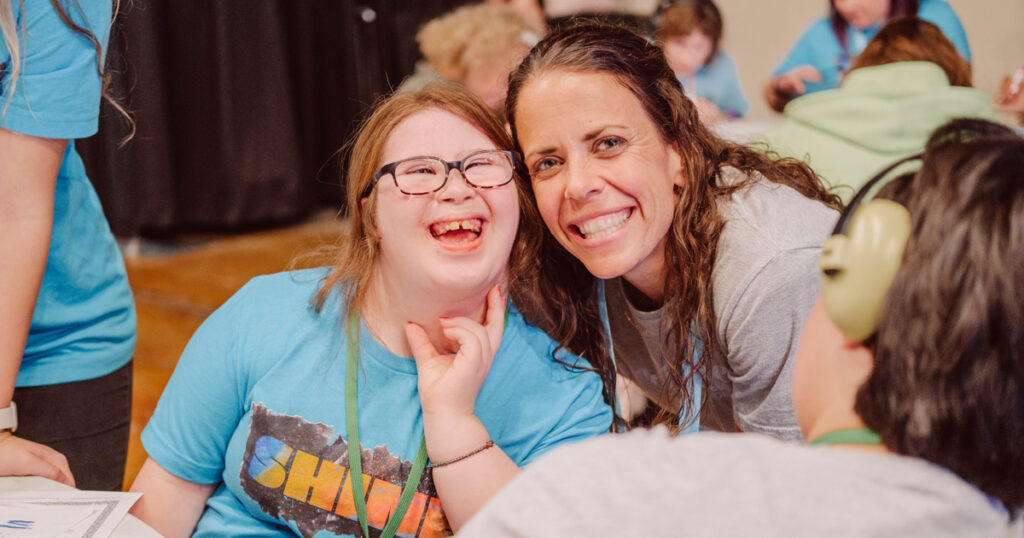
As we enter our 12th year of Shine, a weekly ministry for teens and adults with special needs, we are connecting with more and more churches and ministry leaders who desire to minister to and alongside the special needs community but honestly just don’t know where to begin.
Here are a few practical lessons about belonging based on what we’ve learned through Shine.
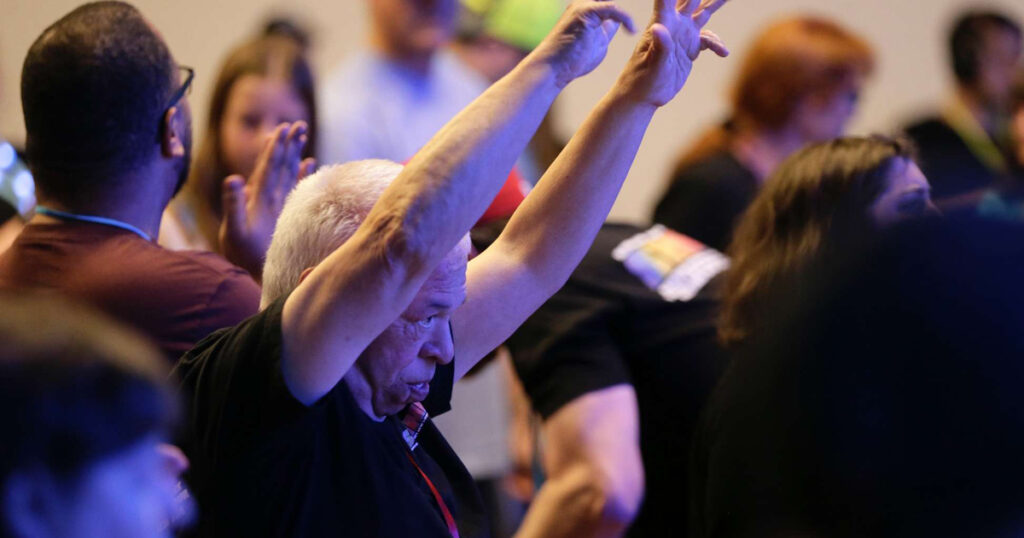
There’s an older gentleman named Charlie who recently started attending our Shine ministry. At first, he seemed hesitant, but he quickly settled in and became a regular weekly attendee.
When someone asked what he liked most about Shine, he answered simply: “Everyone knows my name.”
How simple. How easily overlooked.
It wasn’t the hours spent discussing worship or adjusting curriculum. It wasn’t the volunteer trainings, Planning Center schedules, staff meetings, budgets, or piles of printed activities. Yes, all of those things matter, but what kept Charlie connected and coming back was the power of hearing his own name spoken by people who genuinely cared about him.
That’s where disability ministry begins: with people, like Charlie, not just programs.
Maybe your church only has one person who needs this type of ministry right now. Start there. Ask them and their caregivers questions. What do they love and dislike? What makes them uncomfortable? What does their family need? Do they attend school or a day program? Have they attended church before? What supports would help them feel successful?
Then ask the most important question: How can we serve them well?
Maybe they need a buddy, a sensory bag, or a quieter space. Maybe they want an opportunity to volunteer. Maybe they’re longing for community more than anything else.
Often, we overthink ministry with plans, budgets, and volunteer spreadsheets, while someone like Charlie is simply hoping a person will sit beside him and call him by name.
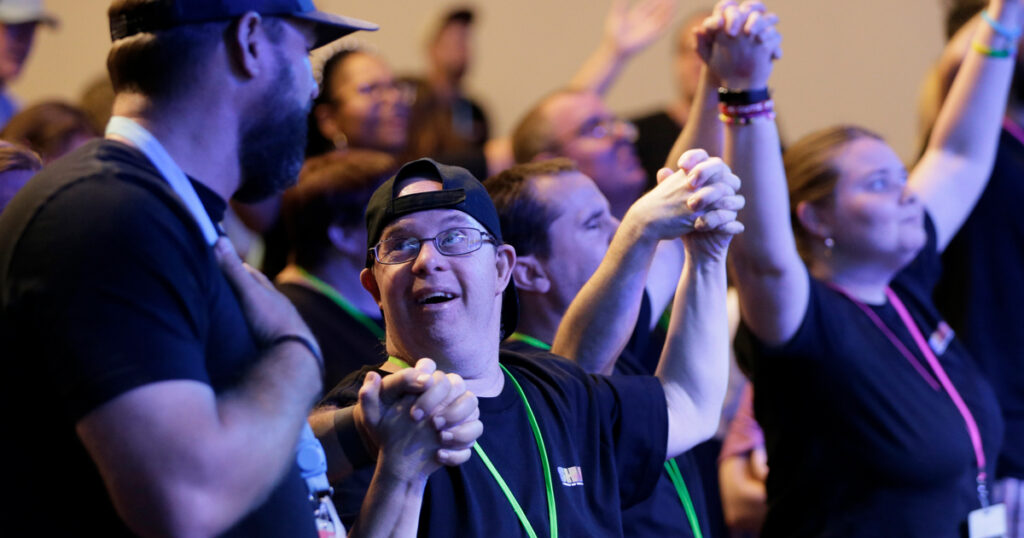
Then there’s Johnny. Johnny has attended Shine since the very beginning, back when our entire ministry fit into one classroom. Now we fill an entire building, yet one thing has never changed: our order of service.
Every single week, Johnny wants to know the plan, that same plan that has never changed. So we made a visual checklist just for him with pictures representing each part of the evening: name tags, worship, skit, lesson, snack, craft, prayer, and finally — his favorite — vacuuming.
At first glance, his need to review the schedule every week could look like anxiety, but it’s not. It’s really something deeper. He’s checking to see if Shine is still safe – if the routine still holds.
When churches begin special needs ministry, there can be pressure to create something brand new and exciting every week. But often, what our friends need most is consistency, something simple with a clear structure and familiar rhythms.
I regularly remind our volunteers that what feels repetitive to us often feels comforting and predictable to our friends, and comfortable and predictable are safe words.
One evening, a teenage girl named Lilly walked into Shine for the very first time. The lobby was full of the noise of greetings, unfamiliar faces, and new surroundings. Immediately, Lilly sat down cross-legged on the lobby floor, focused intently on her fidget toy, and refused to enter the sanctuary.
And you know what?
That was completely okay.
She had made it through the front door of an unfamiliar place, and she wasn’t trying to leave. That alone was a victory! We paired her with a buddy who had the privilege of spending the evening getting to know her right there on the cool concrete floor.
It took a few weeks, patience, and creativity before Lilly felt comfortable entering the sanctuary, but none of that quiet one-on-one time was wasted. It was sweet and necessary, and God showed us that He can meet our friends on the floor of the lobby as much as anywhere.
Disability ministry has to be held with an open hand. Have that comfortable, predictable structure, but hold it loosely. Be willing to pivot. Be flexible enough to recognize that sometimes the ministry moment you planned isn’t the ministry moment God is creating.
If you’re someone who loves to plan, then plan to pivot — and trust that God still shows up in the unexpected moments.
Lastly, there’s Holly. Holly is in her 30s, quiet, sweet, and soft-spoken. But there is one thing she is very outspoken about: everyone wearing their name tags. Volunteers, friends, caregivers, staff – everyone.
Holly knows everyone, but she also understands the standard of safety, hospitality, and calling people by name, and she will make sure we stick to it!
At first, it would be easy to assume she is simply fixated on the routine, but this isn’t fixation. This is leadership.
Once we recognized her gifting in administration and hospitality, we gave her ownership of the role. Now she prepares name tags ahead of time and makes sure everyone — including me — is wearing one before the night begins.
Looking back, I don’t think we fully understood in the early years how important it was to create opportunities for our friends to serve, not just participate.
The importance of creating space where they are needed and have a purpose, not just included. People with disabilities are part of the body of Christ, a necessary part.
“In fact, some parts of the body that seem weakest and least important are actually the most necessary.” –1 Corinthians 12:22 (NLT)
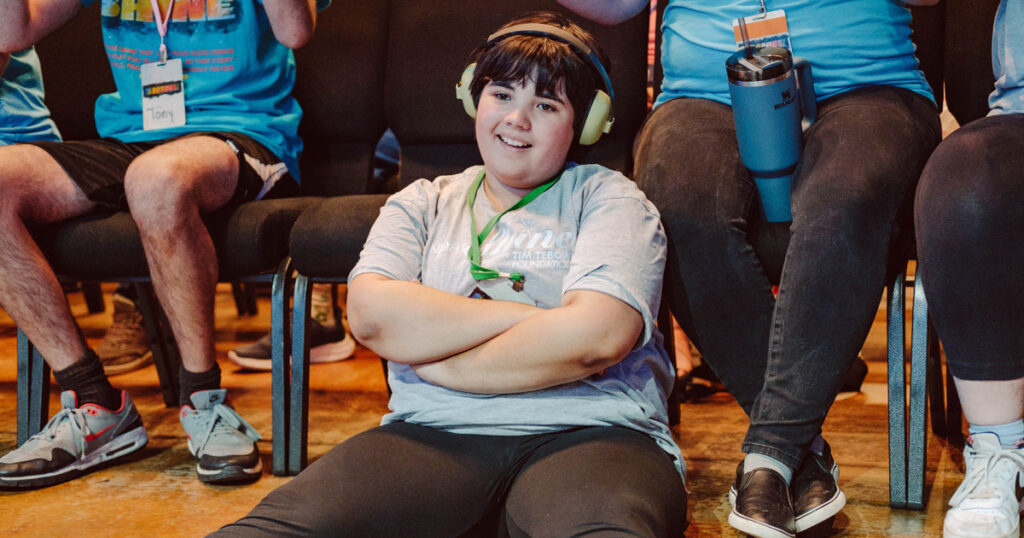
There are countless practical lessons we could share about disability ministry, but if there’s one encouragement I would leave with churches, it’s this:
Just start. And if you love Jesus and love people, you have already begun.