A Devotional for Ministry Leaders
Every ministry decision you make flows from something deeper than strategy—it flows from theology. What you believe about God, people, and purpose quietly builds the framework for everything you do.
You don’t just have beliefs.
Your beliefs have you.
And nowhere is that more exposed than in how we see and serve people with disabilities.
Disability is a problem to fix, avoid, or manage.
People with disabilities are recipients of ministry, not participants in it. Inclusion is optional—something we do if we have the time, budget, or volunteers.
Value is tied to independence, productivity, and communication ability. Ministry success is measured by efficiency, growth, and visible results.
Disability is not outside of God’s design or redemption story—it is part of the human condition in a broken world that God is restoring.
Every person bears the image of God fully, equally, without exception.
People with disabilities are not just served by the Church—they are essential to the Church. Dependence is not a flaw; it reflects our shared need for God and one another.
Ministry success is measured by faithfulness, love, and the presence of Christ among all people.
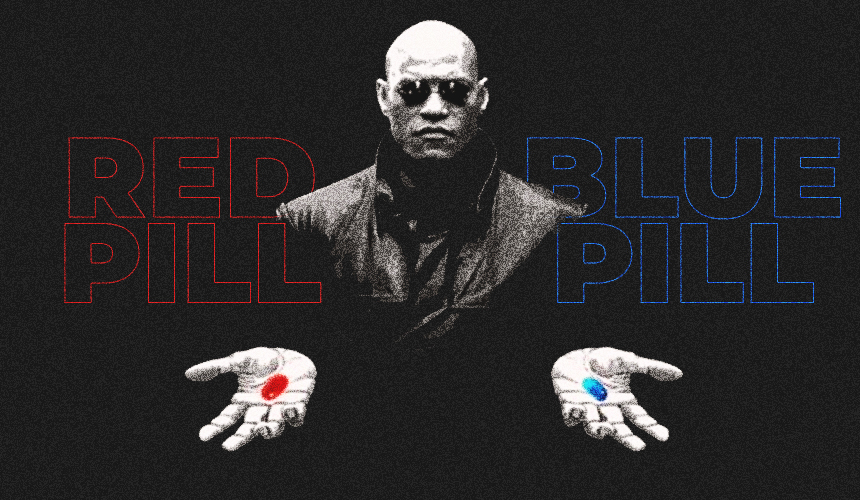
We often default to the Blue Pill not because we’re malicious, but because it’s easier.
It’s easier to build systems around efficiency than around people.
It’s easier to serve from a distance than to share life up close.
It’s easier to measure attendance than transformation.
But the Gospel consistently disrupts what is easy.
When Jesus Christ tells the story of inviting “the poor, the crippled, the blind, and the lame” (Luke 14), it’s not a side note—it’s a redefinition of the Kingdom. The people the world sidelines are the very ones God centers.
So, the real question isn’t: “Do we have a disability ministry?”
It’s: “What do we actually believe about people—and how is that shaping everything we do?”
Your theology will always show up in your structures.
Not in what you say.
Not in what you post.
But in what you actually build.
You might say everyone is welcome…
…but your environments communicate otherwise.
You might believe people matter…
…but only design for those who can keep up.
You might care deeply…
…but unintentionally create barriers that exclude.
You begin to ask different questions:
You stop asking how to “fit people in”…
…and start reshaping the environment, so they were considered from the beginning.
This shift will cost you something.
It may cost:
But it will give you something better:
You don’t drift into the Red Pill reality.
You choose it—intentionally, repeatedly, sacrificially.
So, ask yourself:
And maybe most importantly: If someone with a disability walked into your ministry today… Would they be expected to adapt to you?
Or would they experience a place already prepared for them?
The goal is not to build a better program.
The goal is to become a Church that reflects the heart of God—
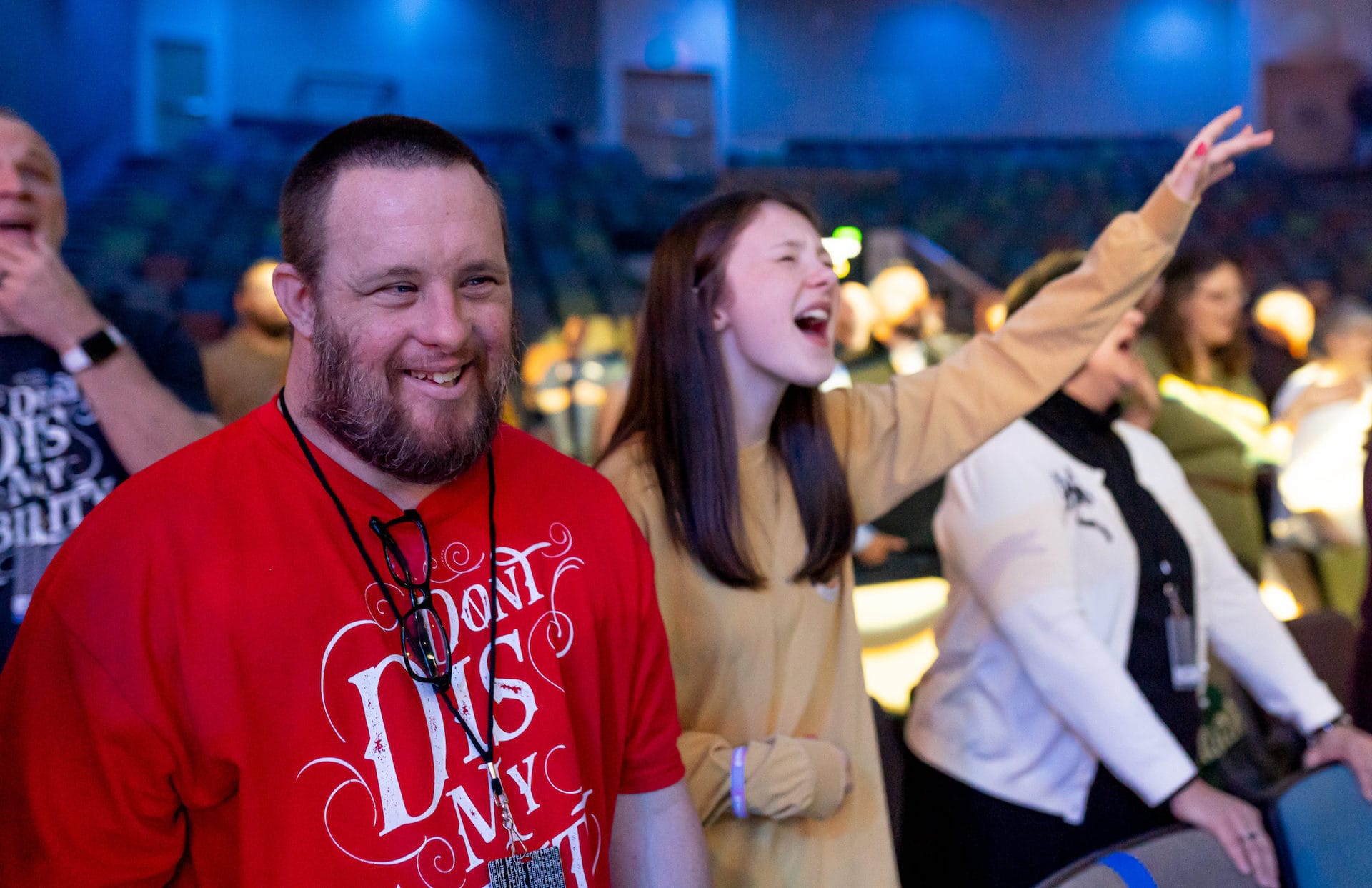
where every person is seen, known, needed, and loved.
Because in the Kingdom of God… no one is an afterthought.