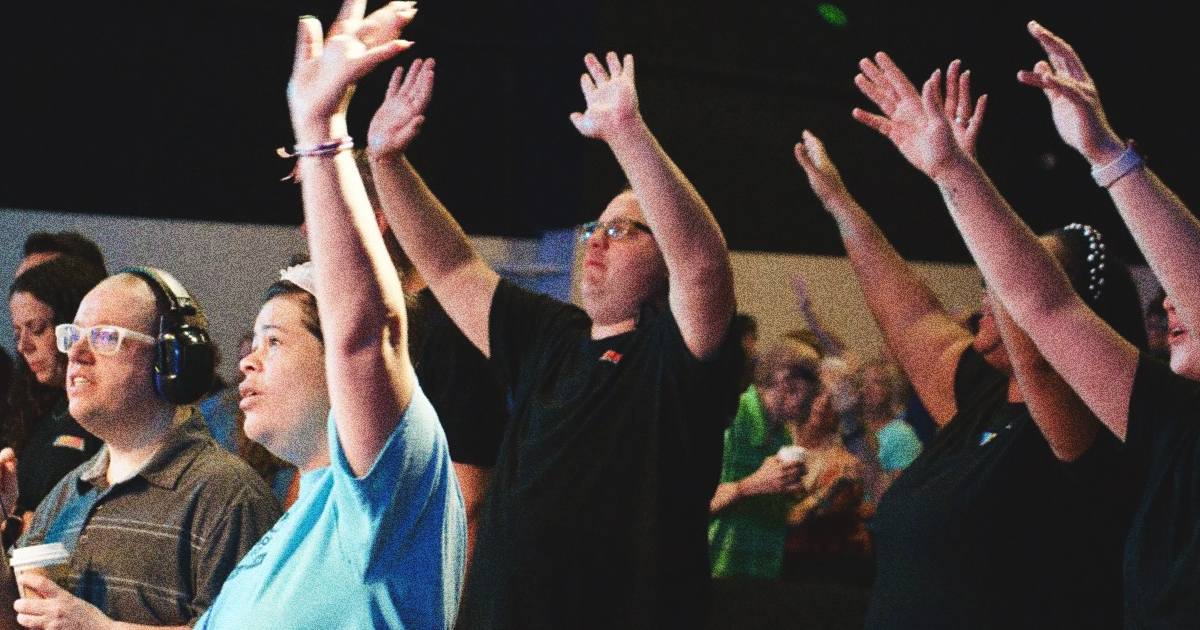
Eighty percent of disabilities are non-visible. That means that right now, in your sanctuary this Sunday, four out of every five people managing a disability will show up looking perfectly fine while fighting invisible battles that would exhaust most of us.
Yet our church cultures often send a clear message to these invisible warriors: You’re doing it wrong.
Someone leaves early during worship, and we wonder about their commitment. Someone sits down when we stand, and we notice their disengagement. Someone arrives late, sits in the back, takes breaks, covers their eyes, fidgets, or moves around, and somehow, without meaning to, we communicate disapproval.
What if I told you that almost every one of these “disruptive” behaviors is actually an act of courage? That people are showing up despite significant barriers, making careful choices about how to preserve their health while honoring their faith?
It’s time we saw our people differently.
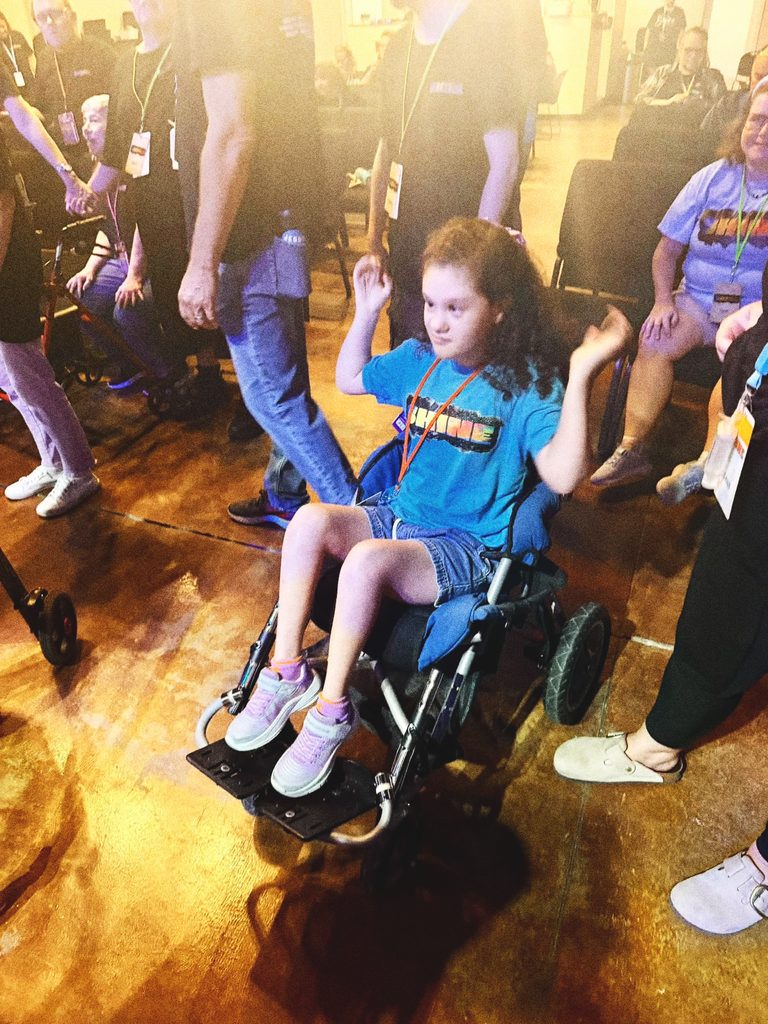
You might think they’re not engaged. What you don’t see is chronic pain—fibromyalgia, arthritis, endometriosis, or a dozen other conditions where standing for extended periods causes real, physical suffering. They came to worship. They’re present. They’re worshiping. They’re just doing it while managing pain you can’t see.
The act of showing up while in pain is an act of faith.
They’re not trying to beat traffic. They might be managing anxiety, chronic fatigue, or a condition where their window of functioning closes quickly. They might have POTS (Postural Orthostatic Tachycardia Syndrome), where symptoms escalate as the service continues and they need to get home before they become symptomatic. They might have chronic fatigue syndrome and know that pushing through this one service will cost them days of recovery.
Leaving when their body tells them to is wisdom, not disrespect.
They’re not sleeping in. They might have chronic fatigue syndrome, where mornings are their worst time; their nervous system needs hours to regulate enough to leave the house. They might have ADHD and executive dysfunction, where the cognitive load of getting ready takes much longer than anyone realizes. They might have a sleep disorder that kept them awake until 3 AM. They might have struggled with their mental health that morning and needed extra time to gather the emotional strength to be around people.
Arriving at all is a victory.
They don’t hate the music. They have misophonia, autism, or sensory processing differences where sound, especially certain frequencies or volumes, creates actual pain or sensory overload. Or they have light sensitivity (photophobia) and need protection. They’re not rejecting worship; they’re protecting their nervous system so they can stay present.
Adapting their sensory environment is self-care, not rejection.
Bright spotlights aren’t just uncomfortable; they can trigger migraines, vertigo, or seizures. Someone with a vestibular disorder might experience dizziness from moving light patterns. Someone with lupus experiences photosensitivity as an actual symptom. Someone recovering from a concussion might have severe light sensitivity that makes bright lights painful.
Protecting their eyes is managing their health.
They don’t hate community. They might have an autoimmune disease where close contact with crowds puts their compromised immune system at risk. They might be managing a trauma response that requires distance. They might need space to regulate their nervous system. They might be managing dissociation or overwhelm by sitting in a less stimulating environment.
Sitting apart might be what allows them to stay.
They’re not playing games or being disrespectful. They might be deaf or hard of hearing and using a real-time captioning app to follow the sermon. They might have dyslexia and use their device to access text in an accessible format. They might be neurodivergent and using their device to regulate their nervous system.
Using assistive technology is how they access worship.
They’re not listening to something else. They’re working hard to participate in what you’re offering. They might be deaf or hard of hearing and using technology to bridge the gap in your acoustic environment. They’re choosing to be here despite the extra effort it takes.
Their device is their gateway to belonging.
They’re not bored or distracted. They might have ADHD and need movement or stimulation to focus. They might have OCD and need to perform rituals or repetitive behaviors to manage intrusive thoughts. They might have autism and need to stim to regulate their sensory input. They might have anxiety and need physical movement to manage nervous system activation.
Their fidgeting might be what helps them actually listen.
They’re not being disruptive. They might be managing OCD, with intrusive thoughts about sin or purity that create severe anxiety. The repetitive behaviors, whether hand movements, checking behaviors, or ritualistic actions, are their way of managing that anxiety in a sacred space where these thoughts might be more triggered. They’re fighting a battle with their own mind while trying to worship.
Their compulsions are coping mechanisms, not character flaws.
They’re not being dramatic or attention-seeking. They might have POTS (Postural Orthostatic Tachycardia Syndrome), an autonomic nervous system disorder where their body struggles to regulate blood pressure and heart rate. They might be managing dysautonomia, where standing triggers dizziness, chest pain, and severe fatigue. They might be managing another condition with similar symptoms, temperature regulation issues, medication side effects, or underlying health concerns.
Their need for water and positioning isn’t weakness; it’s survival.
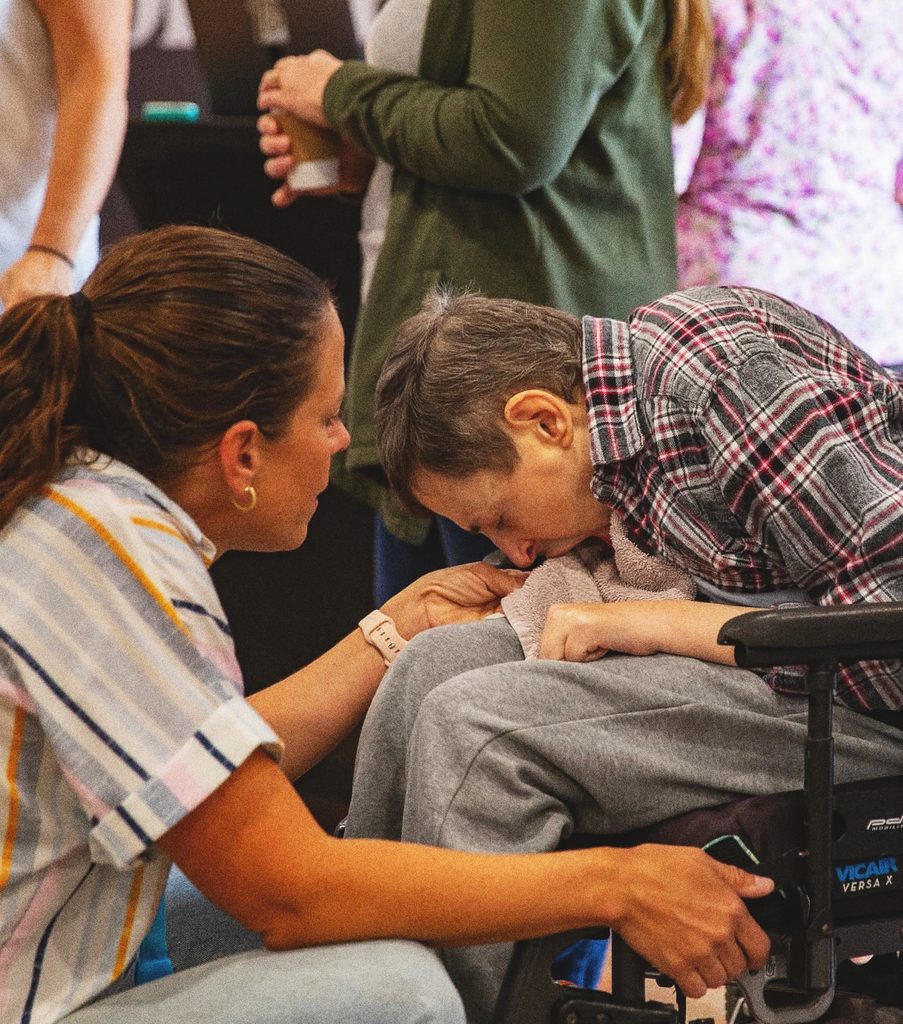
Here’s what many church leaders don’t realize: your response to people’s “different” ways of worshiping sends a powerful message.
When you call someone out for leaving early, you teach them that self-care is unwelcome in your community.
When you question why someone sits during worship, you communicate that their participation only counts if it looks like yours.
When you express frustration about people arriving late or sitting in the back, you reinforce the message that they’re not truly part of the body that they belong here despite themselves, not because they matter.
And here’s the painful truth: many people with hidden disabilities have already internalized the message that they’re doing church wrong. They’re already fighting shame alongside their condition. Your judgment, even unspoken, lands differently on them than it does on anyone else.
But there’s another truth: when church leaders extend grace, when you visibly welcome people’s different ways of showing up, when you actively work to make your spaces more accessible, you communicate something transformative.
You communicate that they belong.
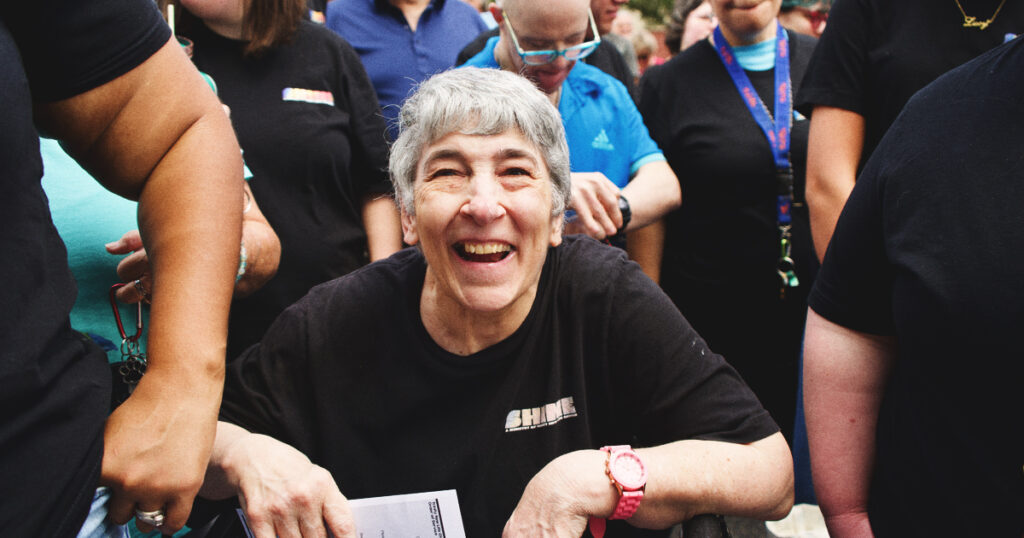
Making space for hidden disabilities isn’t about major renovations or expensive accommodations. Often, it’s about mindset shifts:
Stop policing participation. If someone sits, stands, leaves early, arrives late, fidgets, doodles, uses technology, or worships quietly, that’s their way of honoring God. It’s not your job to audit their commitment.
Stop making assumptions. That person covering their eyes might be having a migraine. That person needing a break might be managing chronic pain. You don’t know their story, so extend the benefit of the doubt.
Actively communicate welcome. Tell your community explicitly: We welcome you exactly as you are. If you need to sit, sit. If you need to stand in the back, stand. If you need to take a break, take one. You belong here.
Consider your environment. Can people easily access water? Is there a quiet room for when overwhelm hits? Can your lighting and sound levels be adjusted? Do you offer captions? These small things matter enormously.
Train your leaders and volunteers. Help them understand that different doesn’t mean disrespectful. That accommodations aren’t special favors; they’re justice.
Listen to your people. If someone has a hidden disability, they might have insights about how to make your space more accessible. Ask. Listen. Implement.
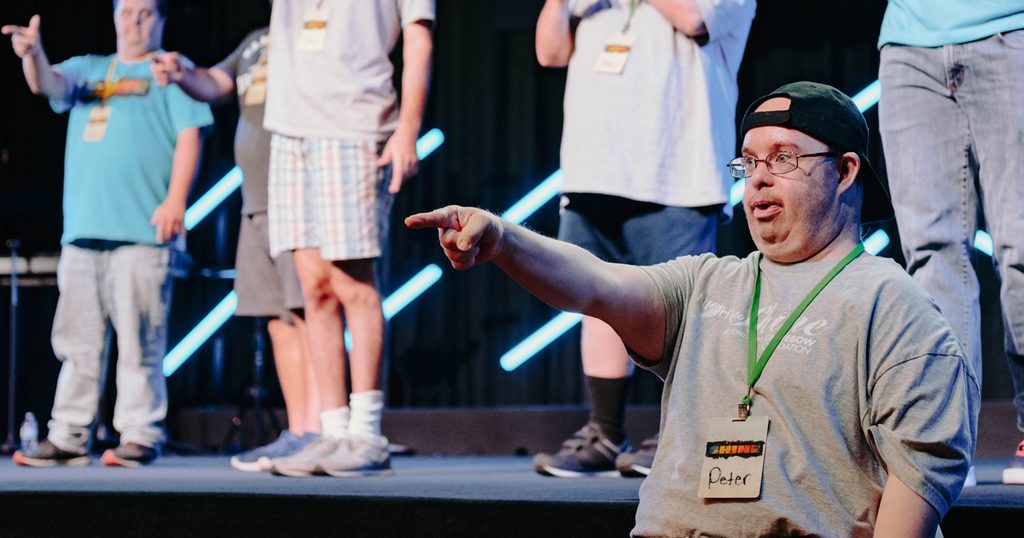
Jesus spent his ministry with people the “normal” world had pushed to the margins. He healed on the Sabbath even though it violated religious custom. He touched lepers. He spoke to women. He ate with tax collectors. He fundamentally violated the “rules” of proper religious participation to make space for people who’d been excluded.
What if our job as church leaders is to do the same?
Not to police how people worship, but to create space where everyone, especially those managing invisible struggles, can experience the love of God without shame.
Not to judge participation, but to welcome it in all its forms.
Not to call people out, but to call people in.
The person sitting alone, arriving late, covering their eyes, fidgeting, leaving early, moving around- they’re not less committed to their faith. They’re not being disrespectful. They’re doing exactly what they need to do to survive and show up.
And that deserves our respect, our grace, and our welcome.
Everyone belongs here.
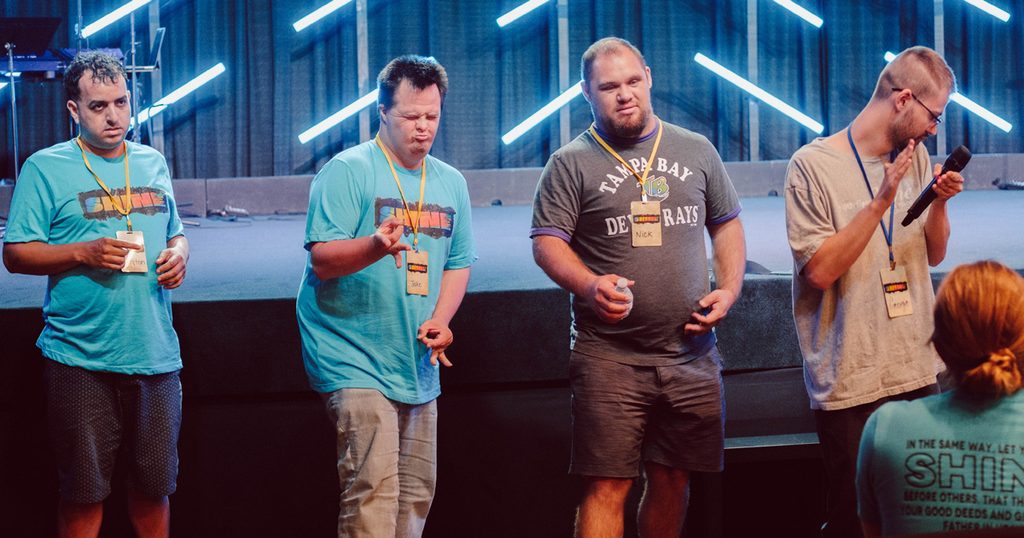
As a church leader, consider these questions:
The answers to these questions might transform not just your individual leadership, but the entire culture of your faith community.
Everyone belongs. It’s time we acted as we believe.
Ability Ministry is here for you! We offer FREE consultations. In the meantime, our freely available resource on disability etiquette is a fantastic starting point.